
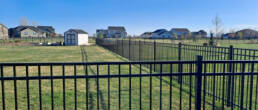
A good fence gives your dog room to run, play, and enjoy the yard while keeping them safely at home. But not every fence works for every dog. A fence that keeps a senior Lab content might not slow down a young husky, a determined digger, or a terrier that can squeeze through surprisingly small gaps. With many families welcoming new pets around the holidays, now is a great time to think about what your yard really needs.
In this guide, we walk through how to match a fence to your dog’s size and habits, how tall a dog fence should be, which materials work best, and the gate and design details that prevent escapes. When you are ready to plan your project, you can request a free estimate and we will help you choose the right setup.
Start With Your Dog: Size, Breed, and Behavior
The best dog fence is built around the specific dog living behind it. Before you think about materials, consider how your dog is likely to test the fence. Most escape attempts fall into a few categories.
Jumpers
Athletic and high-energy breeds can clear a surprisingly tall fence, especially if they have a running start or something to launch from, such as a woodpile, patio furniture, or a snowbank. These dogs need extra height and a clear zone along the inside of the fence.
Diggers
Some dogs would rather go under than over. Terriers, huskies, and many hounds are known diggers. For them, what happens below the fence line matters as much as what you can see above ground.
Climbers
Dogs that climb use horizontal rails, cross braces, or chain link openings like a ladder. A fence with a smooth inside face and no footholds is much harder to scale.
Squeezers
Small breeds and puppies can slip through gaps under gates, between pickets, or at the bottom of a fence where the ground dips. Tight spacing and consistent ground clearance keep them contained. Remember that puppies grow quickly, so a fence planned for a young large-breed dog should be sized for the adult dog, not the puppy you brought home.
Barkers and Reactive Dogs
Some dogs are not trying to escape at all. They just react to everything they see beyond the fence. For these dogs, a solid privacy fence that blocks the view of people, cars, and other animals can make the yard calmer for everyone, including your neighbors. Many dogs combine two or more of these habits, so it helps to plan for the most determined behavior you have seen rather than the most typical.
How Tall Should a Dog Fence Be in the Treasure Valley?
Height is the first question most dog owners ask, and the answer depends on the size and athleticism of your dog. As a general guide, a fence around 4 feet tall is usually enough for small, calm dogs. Medium and large breeds typically do best with a fence 5 to 6 feet tall, and 6 feet is the standard choice for strong jumpers and escape-prone breeds.
Before choosing a height, check your local rules. Most cities in the valley limit backyard fences to around 6 feet, with lower limits in front yards and near street corners. If you live in a subdivision, your HOA may have its own rules about fence height, style, and materials as well. Planning around those limits from the start avoids having to rebuild later.
There is also a local factor many new dog owners overlook: snow. In a typical Treasure Valley winter, drifting snow can pile up along a fence line and effectively shorten it by a foot or more. A dog that could never clear your fence in July may be able to walk right over it on a packed drift in January. Keeping snow shoveled away from the inside of the fence, and choosing a little extra height for athletic dogs, helps prevent winter escapes.
Finally, remember that height only works if the rest of the fence is solid. Loose boards, gaps at the bottom, or a sagging gate can undo the benefit of a tall fence. The whole enclosure needs to be secure, not just the tallest sections.
Comparing Fence Materials for Dogs
Each fence material has strengths and trade-offs for pet owners. Here is how the most common options compare.
Wood Privacy Fences
A solid wood privacy fence is a favorite for dog owners because it blocks views, reduces barking triggers, and has a smooth outer look. Building the fence with the rails facing outward, or adding boards to cover them, removes easy footholds for climbers. Our cedar wood fences are built primarily from cedar for its natural resistance to rot and insects. Keep in mind that some dogs chew wood, and boards may need occasional repair.
Vinyl Fences
Vinyl privacy fencing offers a smooth surface that is very hard for dogs to climb, and it will not splinter, rot, or need painting. It is easy to hose off, which is a nice bonus for pet owners. For many families, vinyl privacy fencing is one of the most practical long-term choices for a dog yard.
Chain Link Fences
Chain link is strong, affordable, and ideal for large yards, dog runs, and rural properties. It lets dogs see out, which works well for calm dogs but can increase barking for reactive ones. Privacy slats can help, and a taller fence or an inward-angled top discourages climbers.
Metal and Ornamental Fences
Steel and ornamental iron fences are durable and attractive, but the spacing between pickets matters. Small dogs and puppies can slip through wider gaps, so tighter spacing or added mesh along the bottom may be needed. Our metal fence options range from decorative styles to heavy-duty designs for larger properties.
A Note on Invisible Fences
Electronic or invisible fences are sometimes suggested as a low-cost alternative, but they have real limits. They do not keep other animals or people out, and a determined dog may run through the boundary when chasing something exciting, then hesitate to come back in. Many owners use them only as a backup to a physical fence rather than as the main barrier.
Gates, Latches, and Details That Keep Dogs Safely Inside
Most dog escapes happen at the weakest point of the fence, and that is usually the gate or the bottom edge. These details make a big difference:
- Self-closing hinges and secure latches. A gate that closes and latches on its own protects against the most common escape of all: someone leaving the gate open.
- Latches placed out of reach. Clever dogs can learn to nudge or paw a low latch open. Mounting it higher or choosing a latch that requires a firm lift helps.
- Minimal ground clearance. Keep the gap under gates and fence panels small enough that a small dog cannot squeeze under.
- Dig barriers. Burying wire mesh along the fence line, adding a concrete or gravel strip, or extending the fence below grade discourages diggers.
- No launch points. Keep furniture, woodpiles, and play equipment away from the inside of the fence.
- Double-gate entries. For busy households, a small entry area with two gates prevents dogs from bolting when one gate opens.
Idaho’s irrigation season is worth considering here too. Frequently watered soil stays soft, which makes digging much easier along sprinkled fence lines. Diggers in irrigated yards often need a stronger dig barrier than dogs in dry areas. For driveway and access gates that see daily use, our gate installation work focuses on gates that close reliably and stay aligned over time.
Dog Runs, Enclosures, and Rural Properties in Nampa, Meridian, and Beyond
Not every dog owner needs to fence the entire yard. A dedicated dog run or enclosure can be a great solution when you want to protect a garden, keep dogs out of a pool area, or give them a secure space while you are away. Enclosures also work well for households with multiple dogs or for keeping working dogs contained near barns and outbuildings.
For suburban lots in Meridian, a smaller enclosure along the side yard can give dogs space without fencing the whole property. On larger parcels around Nampa and other parts of the valley, a fenced area near the house combined with perimeter fencing for livestock often gives both animals and owners peace of mind. Keep in mind that livestock fencing, such as barbed wire or wide-spaced rails, is not designed to contain dogs and can even injure them.
Comfort matters as much as containment. Treasure Valley summers are hot and dry, so any run or enclosure should include shade, fresh water, and a surface that does not get too hot underfoot. In winter, a spot sheltered from wind and drifting snow keeps outdoor time safer. Placing an enclosure where it gets afternoon shade from the house or trees is often the simplest way to make it usable year-round.
Our specialty fence services include dog enclosures, pool fences, and custom designs built around how you use your property. If you have a pool, a dog-friendly fence can often be designed to meet pool barrier requirements as well. You can browse examples in our specialty fencing gallery.
Your Dog-Friendly Fence Checklist
Every dog and every property is a little different, but most successful dog fences check the same boxes. Before you finalize your plans, run through this quick checklist:
- Identify whether your dog is a jumper, digger, climber, squeezer, or reactive barker
- Choose a height that fits your dog’s size and athletic ability, and check city and HOA limits
- Pick a material that matches your dog’s habits and your maintenance preferences
- Plan for dig barriers in soft or irrigated soil
- Use self-closing, self-latching gates with latches out of paw’s reach
- Keep ground gaps and picket spacing tight for small dogs and puppies
- Keep launch points and winter snow piles away from the fence
- Consider a dedicated dog run or enclosure if fencing the whole yard is not practical
Planning your budget as well? Our guide to fence installation costs in Idaho explains how material and layout affect pricing.
Build a Fence Your Dog Can Enjoy
The right fence makes your yard a safe place for your dog to play and gives you peace of mind every time you open the back door. When we visit your property, we will look at your layout, terrain, and existing fence, talk through your dog’s habits, and recommend a design that keeps them secure without sacrificing the look of your yard.
Ready to create a safer yard for your dog? Get a Free Estimate and let’s build a fence that works for your whole family.
Ready to Get Started? Get a Free Estimate Today!
Inspired to upgrade your property? As a locally owned team based in Kuna, Fence Unlimited is ready to deliver durable craftsmanship and thoughtful solutions for your fencing or gate project. Contact us for a free, no-obligation estimate and let’s get started with a solution built to last.
Like this article? Spread the word!
Related Posts

November 5, 2026
Fence Unlimited’s Winter Planning Guide for Spring Fence Projects in the Treasure Valley
Plan your spring fence project this winter. Our Treasure Valley guide covers goals,…

November 1, 2026
7 Ways to Protect Your Fence From Idaho Winter Weather
Get your fence ready for Idaho winter weather with 7 simple tips for Treasure Valley…

October 2, 2026
Do You Need a Permit for a Fence in the Treasure Valley? Fence Unlimited’s City-by-City Guide
Do you need a fence permit in Boise, Meridian, Kuna, or nearby? See city-by-city fence…